In a hospital, piped medical gases are not a building service in the ordinary sense. Oxygen, medical air and vacuum are clinical infrastructure: patients are connected to them, continuously, at their most vulnerable. A power cut dims the lights; a gas failure stops therapy. That is why medical gas pipeline systems are planned, installed and verified to a discipline closer to aviation than to plumbing.
What a piped system includes
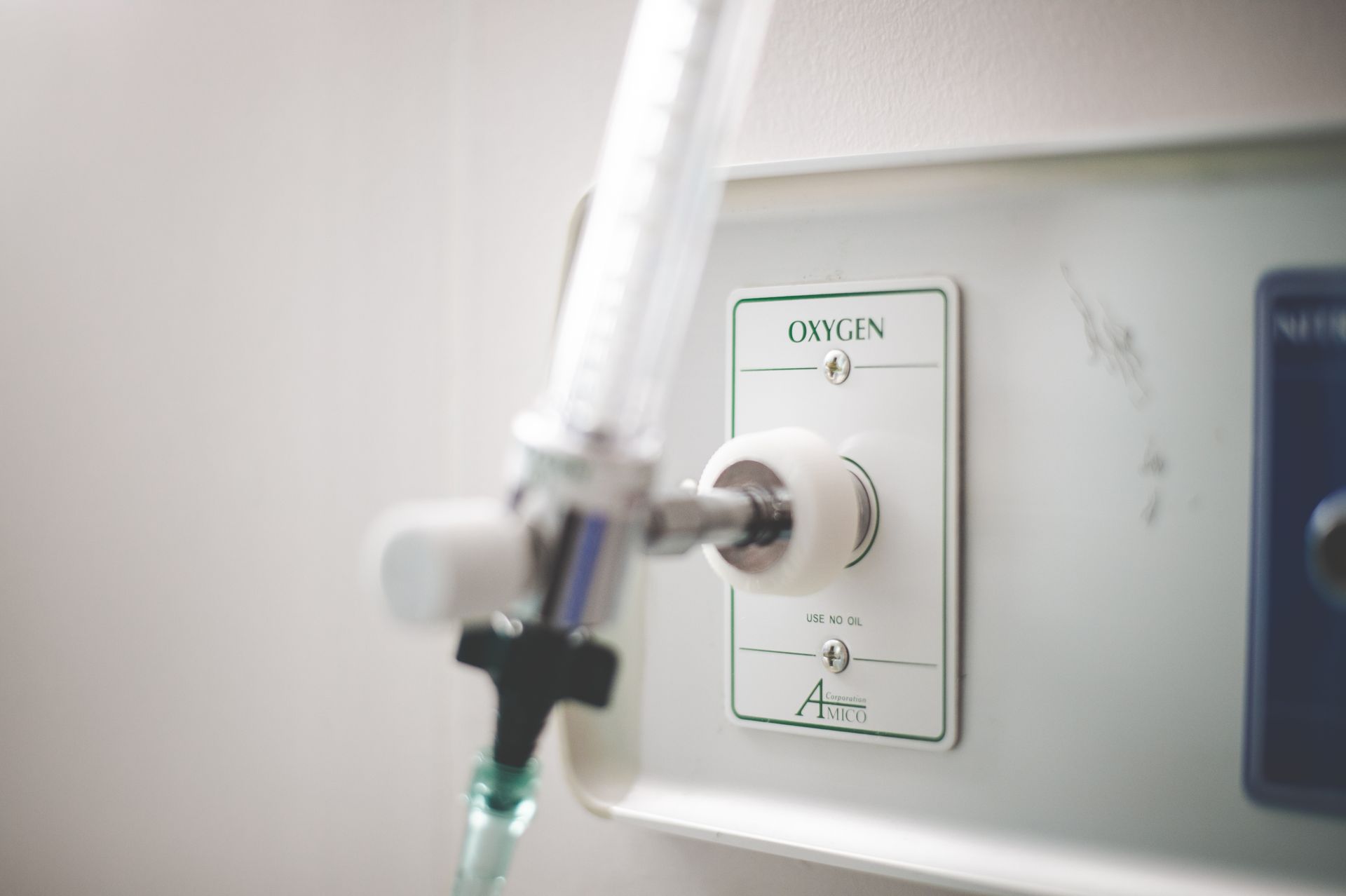
A typical acute facility distributes several services: oxygen for therapy and anaesthesia; medical air at four bar for respiratory support; surgical air at seven bar for tools; medical vacuum for suction; and, where used, nitrous oxide and anaesthetic gas scavenging to protect theatre staff. Each service has its own source, pipework, terminal units and alarms, and each must be impossible to confuse with the others. Gas-specific, non-interchangeable connectors exist precisely so that a vacuum line can never be connected to an oxygen outlet.
The standards that govern design
Kenyan healthcare projects are typically designed to internationally recognised frameworks: the UK Health Technical Memorandum 02-01, the international standard ISO 7396-1, and NFPA 99 in facilities following American practice. These documents agree on the fundamentals: continuity of supply through redundancy, physical separation of gas services, area isolation, permanent monitoring, and independent verification before clinical use. Selecting the design standard early matters, because it drives plant sizing, valve arrangements and the commissioning regime.
Sizing and diversity
Demand is calculated bed by bed and department by department. An intensive care bed can draw more oxygen than an entire general ward, and theatres drive surgical air demand. Diversity factors from the design standards translate installed outlets into realistic peak flows. Undersizing starves the far ends of the system at peak demand; oversizing wastes plant capital. The calculation deserves an engineer, not a rule of thumb.
Sources of supply and resilience
Every gas needs a primary, secondary and reserve source, arranged to change over automatically. Oxygen may come from cylinder manifolds, from bulk liquid storage, or from pressure swing adsorption (PSA) plants that generate oxygen on site. PSA plants have become common across East Africa, driven by hard lessons about the fragility of cylinder logistics during regional emergencies. They reduce dependence on supply chains, but they depend on reliable electrical power, which in this region means the medical gas plant must sit on the essential supply fed by standby generation. Vacuum and air plants are similarly configured duty and standby, so a single machine failure never interrupts service.
Distribution, zoning and alarms
- Pipework is degreased copper, kept scrupulously clean because oil and oxygen are a fire hazard in combination.
- Area valve service units let staff isolate a ward or theatre for maintenance or fire without shutting down the hospital.
- Zoning follows clinical departments, so an incident in one area never strands another.
- Alarm panels at plant, area and central levels report pressure faults immediately to people who can act, including nursing stations.
- Terminal units are positioned per bed space to clinical planning standards, with theatre pendants and ICU headwalls coordinated with the medical planner.
Verification before a single patient connects
Commissioning a medical gas system is a formal, documented process: pressure testing, verification that every outlet delivers the gas its label claims, anti-confusion checks across the whole network, purity and particulate testing, and alarm proving. Under HTM practice this involves independent verification and a permit-to-work regime for any later modification. The paperwork is the point: it is the evidence that the system is safe, and the baseline for every future change.
Planning lessons for East African projects
- Bring the medical gas designer in at briefing stage, alongside the medical planner, not after the architecture is fixed.
- Decide the oxygen source strategy early: PSA, liquid or cylinders each have different space, power and access demands.
- Put gas plant on standby power and design for the maintenance reality of your location, including spares and trained technicians.
- Protect the budget for commissioning and verification; it is not an optional extra.
- Plan for growth: hospitals add beds, and a pipeline sized with headroom costs far less than a second system.
TechMEPi Engineering designs and supervises medical gas and LPG systems for hospitals and other facilities, with full regulatory compliance, as part of more than 18 years of building services practice across the region. Few systems reward careful planning so directly, because few systems carry consequences so immediate when planning fails.