Renewable Energy Systems
Solar PV, solar thermal and heat pump systems engineered for East African conditions — cutting energy costs an...
DetailsIndependent site supervision of electrical and ICT installations — power distribution, lighting, structured cabling and security systems verified against design intent, specifications and international standards.
A good electrical design can still become a poor installation. Cables run without segregation, containment installed before coordination, terminations left untested, as-built drawings that never materialise — problems that surface months after handover, when they are hardest and costliest to fix. Independent supervision closes that gap between what was designed and what gets built.
TechMEPi Engineering provides professional supervision of electrical and ICT services on building projects across Kenya, Uganda, South Sudan and Seychelles. Led by a Registered Professional Engineer with PMP project management certification, we act as the client's technical eyes on site — inspecting, questioning, witnessing and documenting until the installation matches the design intent.
Supervision starts before the first cable is pulled. We review shop drawings, material submittals and method statements against the specification, so non-compliant equipment is rejected on paper rather than removed from a wall. During construction we carry out scheduled and unannounced site inspections, check workmanship at first-fix and second-fix stages, and keep a live snag register with photographic records.
Coordination is where MEP projects are won or lost. Because TechMEPi designs mechanical services daily, we are particularly effective at managing the interfaces between electrical, ICT and mechanical trades — motor control panels, mechanical plant power supplies, fire alarm cause-and-effect, containment routes shared with pipework and ductwork. Where the project uses BIM, we verify installations against the coordinated model.
At testing and commissioning we witness insulation resistance, earth continuity and functional tests, review structured cabling certification results, and confirm that emergency systems perform under simulated failure. Nothing is signed off on a contractor's word alone.
Our supervision scope flexes to suit the project — full-time resident supervision on fast-moving sites, or scheduled milestone inspections on smaller works. Either way, the discipline is the same: every inspection is recorded, every defect is tracked to closure, and every test result is checked against the specification before the installation is accepted. Clients get certainty; contractors get clear, consistent expectations from day one.
Installations are inspected against the project specification and recognised international practice, including the IET Wiring Regulations (BS 7671) for electrical installations and ISO/IEC 11801 for structured cabling. Our reports state plainly what complies, what does not, and what must happen before the next payment certificate — giving clients and lead consultants a clear, defensible record of installation quality.
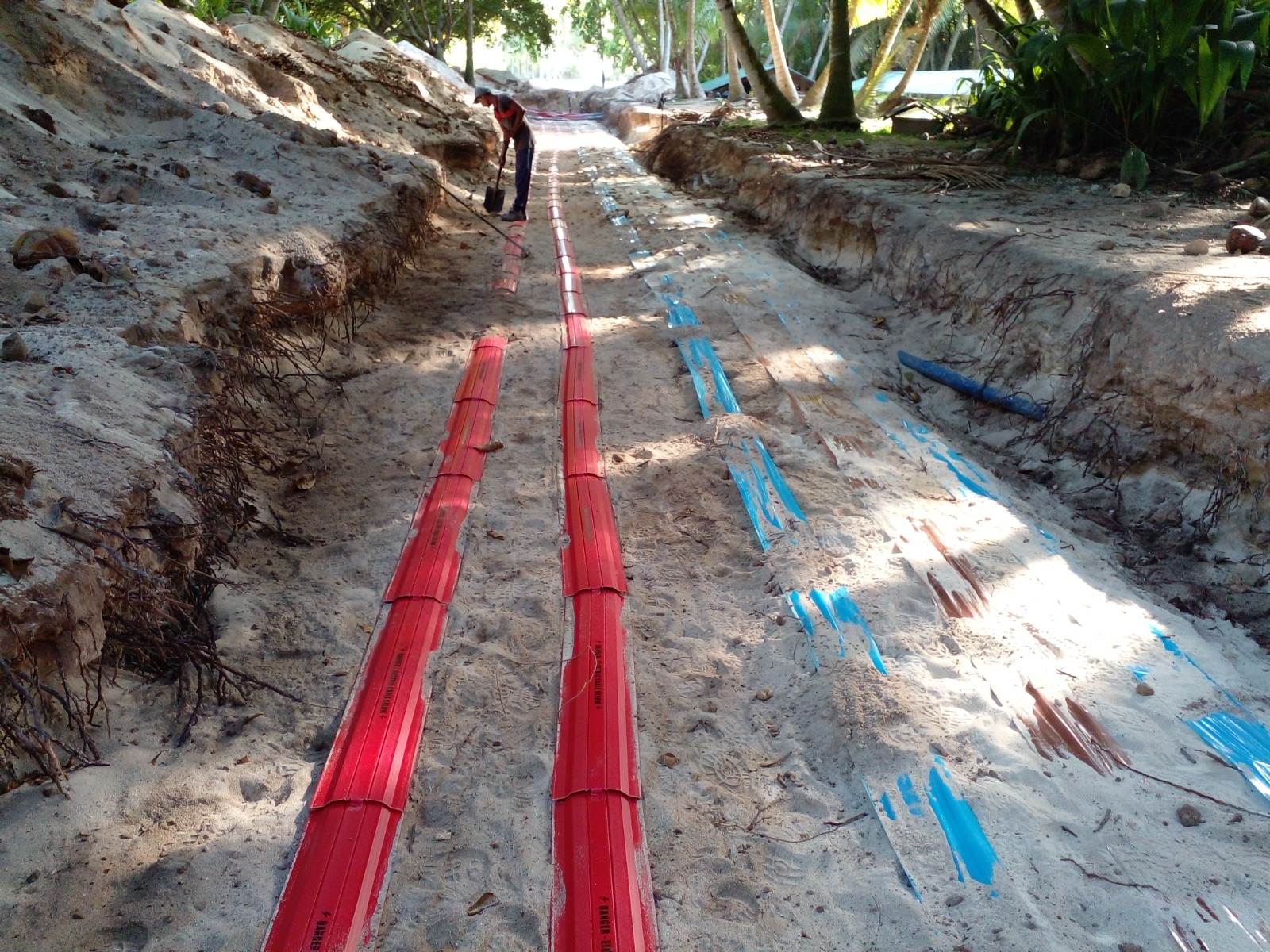
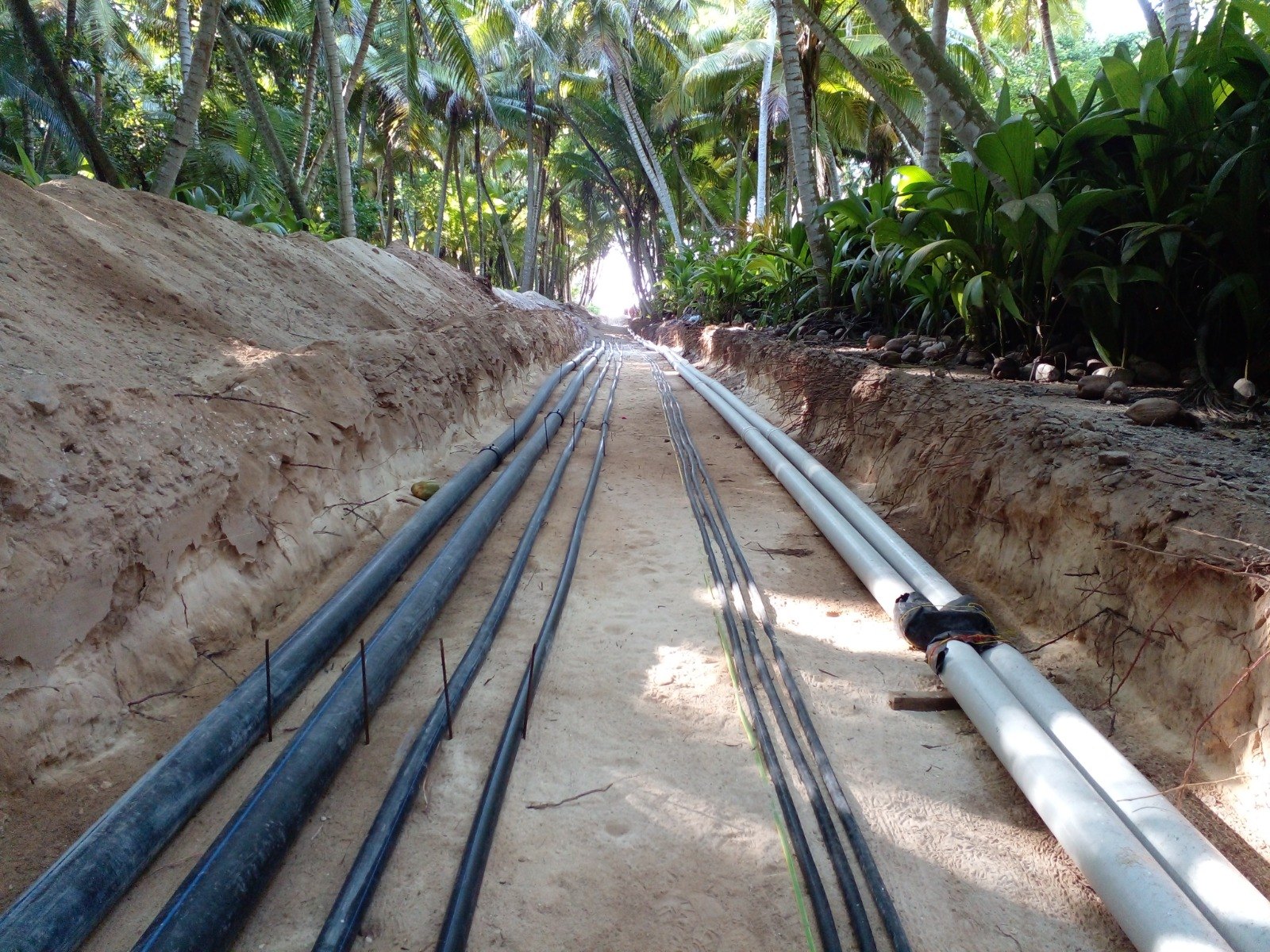
The contractor's engineers answer to the contractor's programme and margin. Independent supervision answers to you. We verify materials against the specification before installation, inspect work at stages that get covered up, and witness tests rather than accepting certificates at face value. The cost of supervision is consistently small compared with the cost of correcting concealed defects after handover.
Ideally at contractor mobilisation, before any containment or cabling goes in. Early involvement lets us review shop drawings and material submittals, agree quality benchmarks and inspection stages, and catch coordination clashes on paper. Joining after first-fix means inspecting work that is already buried in walls and ceilings — possible, but far less effective and more expensive to correct.
Both. Modern buildings depend as much on structured cabling, CCTV and access control as on power distribution, and the same installation discipline applies — segregation from power cables, correct containment, labelling, testing and certification. We review cabling test results against ISO/IEC 11801 performance classes and confirm security systems function as specified before handover.
Through structured, written records: inspection reports with photographs, a snag register tracked item-by-item to closure, and periodic progress reports suitable for client and site meetings. Non-conformances are raised formally with a required action and deadline. At completion you receive a documented trail from approval to test witness to handover — evidence, not opinion.
Solar PV, solar thermal and heat pump systems engineered for East African conditions — cutting energy costs an...
DetailsStandby generator plant and fuel transfer systems sized, designed and supervised for dependable backup power —...
DetailsEnergy-efficient air conditioning and mechanical ventilation designed for East African conditions — precise co...
Details