A building's value does not usually collapse in a single event. It leaks away: a chiller that loses efficiency year by year, a pump replaced on breakdown at three times the planned cost, a fire system that quietly stops being ready. The mechanical, electrical and plumbing plant is where a property earns its rent, and it is where deferred maintenance does its damage first. A written, scheduled maintenance programme is the cheapest asset protection a building owner can buy.
Why planned beats reactive
Reactive maintenance feels cheaper because nothing is spent until something breaks. In practice, breakdown work costs several times more than the planned task that would have prevented it, once emergency call-outs, downtime, consequential damage and shortened equipment life are counted. Planned maintenance also produces something reactive work never does: records. When the building is sold, refinanced or insured, a complete maintenance history is worth real money.
HVAC systems
- Monthly: clean or replace air filters, check thermostat operation, inspect condensate drains for blockage and check for unusual noise or vibration.
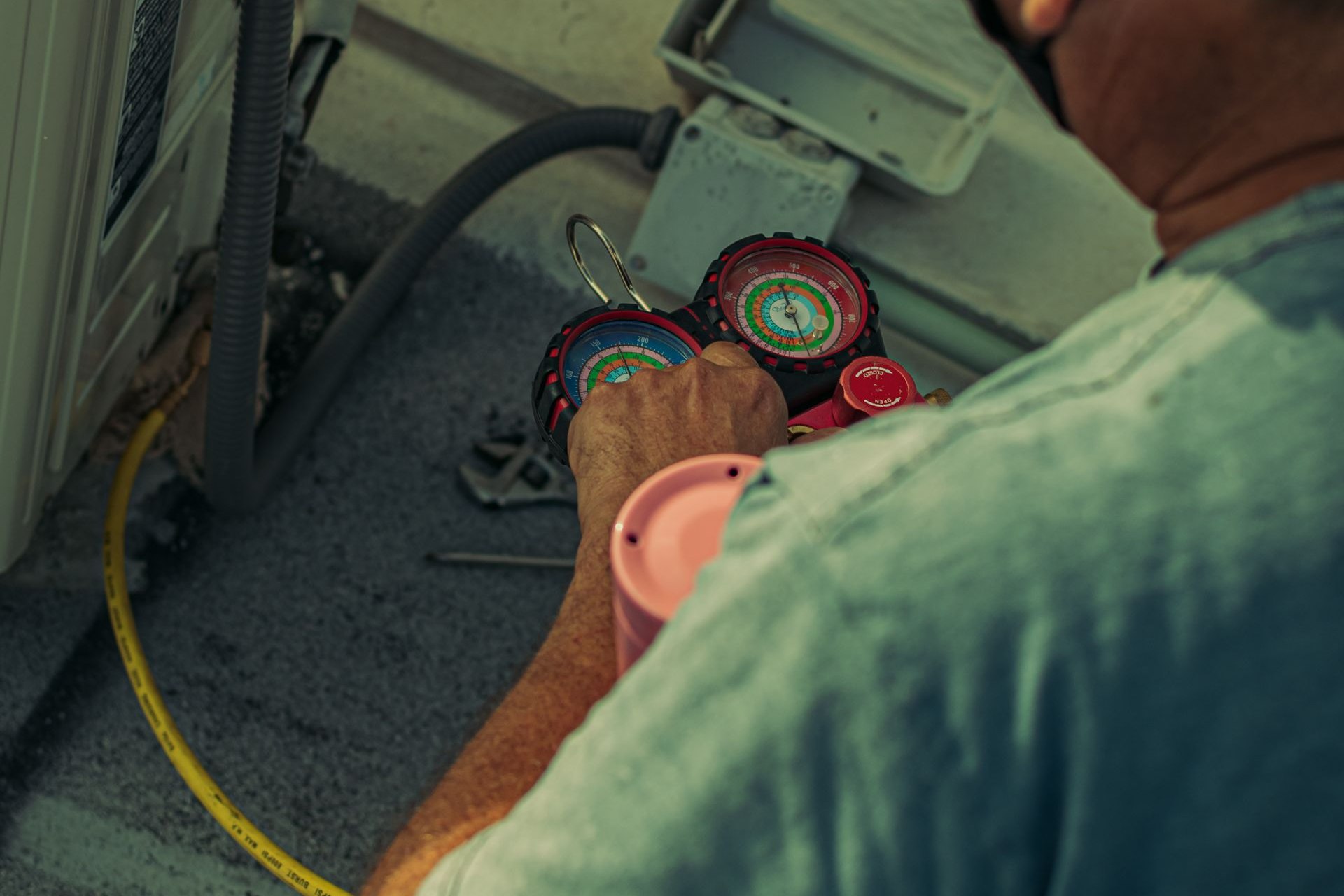
- Quarterly: clean condenser and evaporator coils, check refrigerant sight glasses and operating pressures, inspect belts and bearings, verify control setpoints.
- Annually: full service of chillers and packaged units by competent refrigeration technicians, duct and grille cleaning inspection, and a check of actual delivered performance against design.
Dust levels in many East African locations shorten filter life well below manufacturer intervals; let inspection findings, not the calendar alone, set the frequency.
Water and plumbing
- Monthly: check pump operation and changeover, inspect for leaks at valves and joints, record water meter readings to catch hidden losses early.
- Quarterly: exercise isolation valves so they work when needed, inspect pressure vessels and float valves, check borehole equipment where fitted.
- Twice yearly: clean and disinfect water storage tanks, and keep records; stored water is only as safe as the tank it sits in.
- Annually: service water treatment plant, test backflow prevention devices and inspect hot water plant, including solar collectors and heat pump units.
Fire protection
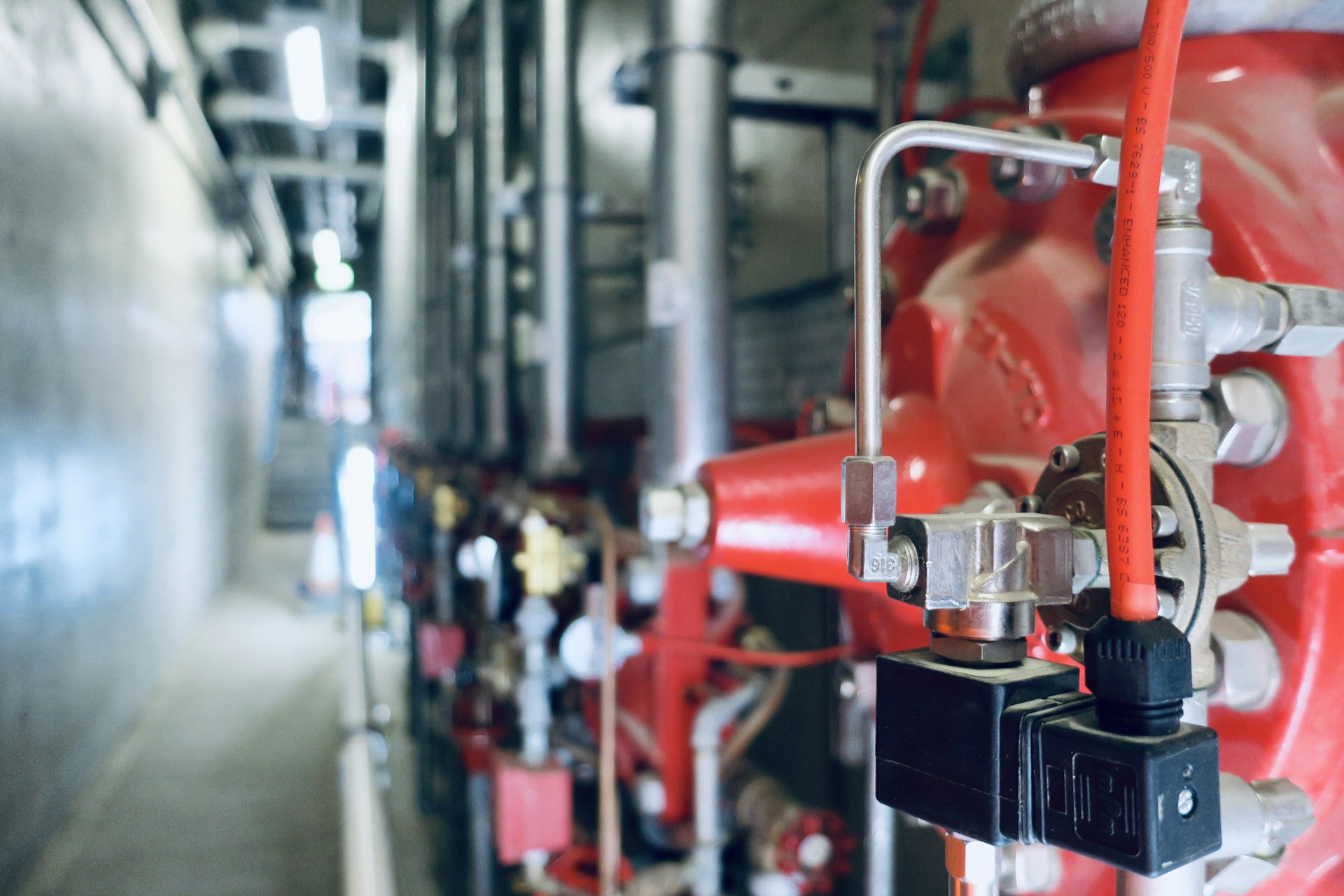
- Weekly: run fire pumps on test, check jockey pump pressure and verify alarm panel status.
- Monthly: inspect extinguishers, hose reels and hydrant access; test a sample of detection zones.
- Annually: full flow test, complete alarm system service, extinguisher servicing and the fire safety audit that regulations and insurers expect.
Fire systems are the clearest case for discipline: they must sit idle for years and then work in seconds. The weekly pump test is the single most important line on this page.
Power and standby generation
- Weekly: run the generator off-load, check fuel, oil and coolant levels, and inspect battery charger condition.
- Monthly: run the generator on load; a set that only ever runs off-load may fail the first time it takes the building.
- Quarterly: inspect the changeover panel, tighten electrical connections and check fuel storage for water and sediment.
- Annually: full generator service, load bank test where practical, and thermographic scan of main switchboards to find hot joints before they fail.
Drainage and sewage treatment
- Quarterly: rod and inspect gully traps and inspection chambers, and check sump pumps and non-return valves.
- Before each rainy season: clear roof outlets, gutters and stormwater drains; the long rains find every blocked channel a building owns.
- Ongoing: service sewage treatment plants to the supplier's schedule, monitor effluent quality and keep aeration equipment maintained; a neglected plant announces itself to tenants and regulators alike.
Build the system around the checklist
- Create an asset register: every significant item of plant, its location, capacity, installation date and service history.
- Keep operation and maintenance manuals and as-installed drawings on site and up to date.
- Assign every task an owner and a frequency, and log completion, findings and parts used.
- Budget maintenance annually as a percentage of plant replacement value rather than negotiating each repair from zero.
- Review the programme yearly against breakdown records and adjust frequencies where the evidence points.
TechMEPi Engineering has spent more than 18 years designing, supervising and handing over MEP systems across four countries, and the difference between buildings that age well and buildings that age badly is rarely the installation. It is the operation. A checklist on the wall, followed, will protect a building's value more reliably than any warranty in the file.