Hot water is one of the largest energy loads in hotels, hospitals, apartment blocks and gyms, often second only to air conditioning. Heating it with electric elements or boilers is the expensive default. The two serious alternatives in East Africa are solar thermal systems and heat pumps, and both can cut water-heating energy by well over half. Choosing between them is not a matter of fashion. It is a matter of matching the technology to the building.
How solar thermal performs here
East Africa sits close to the equator with solar irradiation among the most consistent in the world, typically in the range of four to six kilowatt-hours per square metre per day across much of Kenya. A well-sized flat-plate or evacuated-tube array can supply the majority of a building's annual hot water demand at zero fuel cost.
The limitations are practical. Solar collectors need unshaded roof area, oriented and tilted correctly, plus structural capacity for panels and storage tanks. Output falls during the long rains and on overcast days, so every solar system needs backup, usually electric elements or a heat pump. And solar is a morning-to-afternoon harvester feeding a demand that often peaks in the evening, which makes storage sizing critical.
How heat pumps perform here
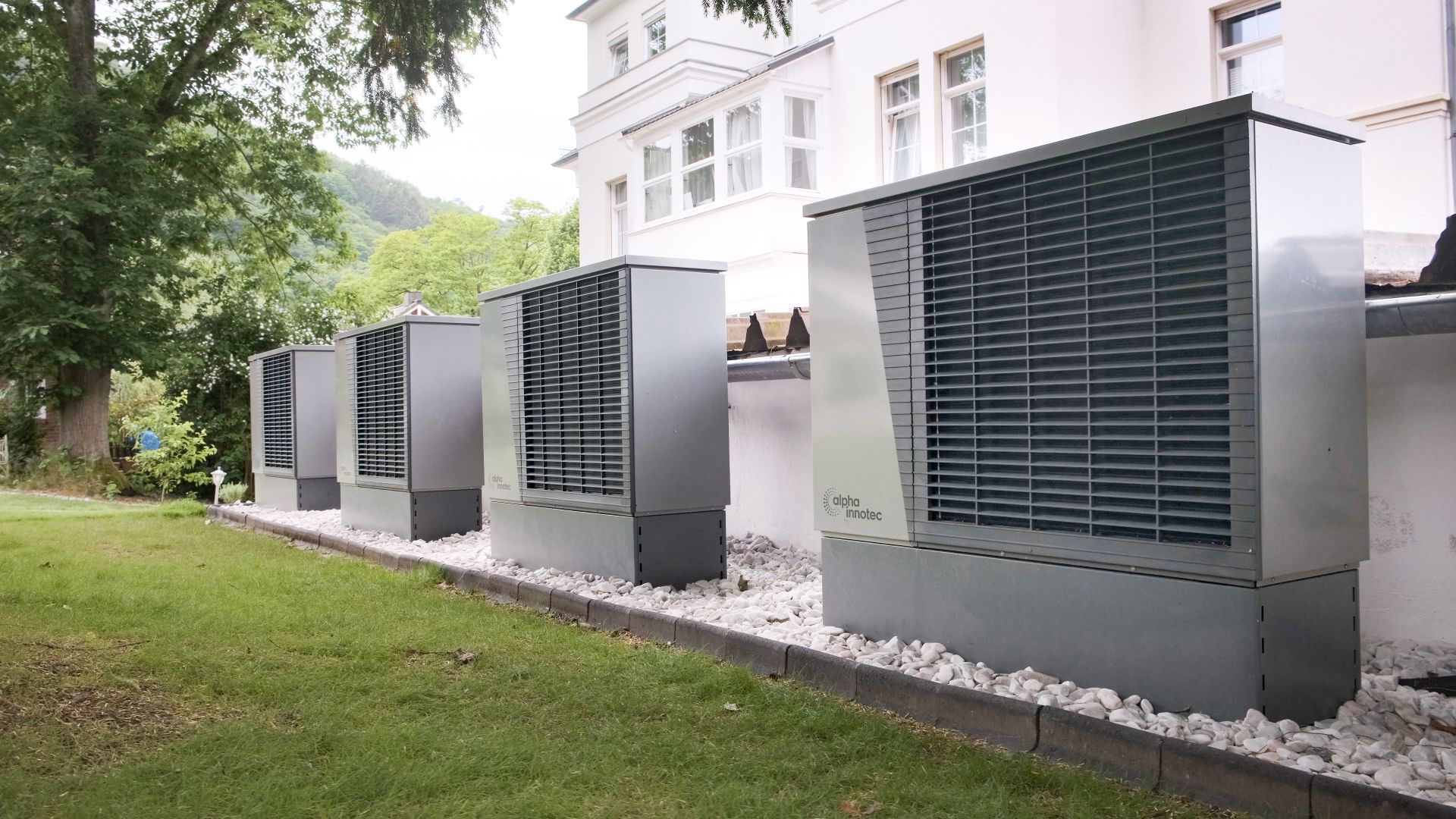
A heat pump extracts heat from ambient air and delivers it to water, typically producing three to four units of heat per unit of electricity consumed. That coefficient of performance holds up well in East African conditions: even Nairobi's cool July mornings are mild by heat pump standards, and coastal air in Mombasa is warm year-round.
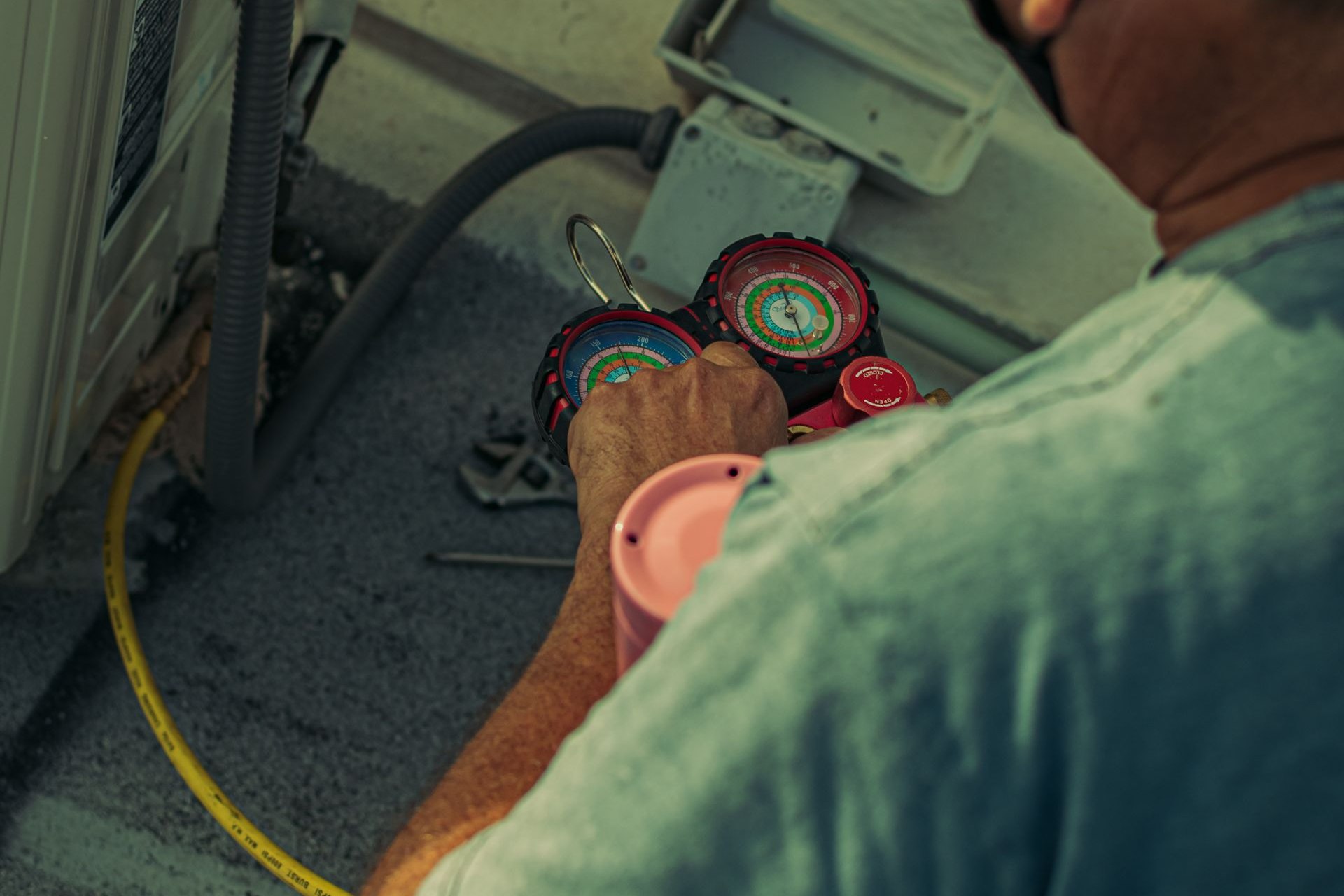
Heat pumps work day and night, in any weather, and need only a fraction of the roof or plant space that collectors demand. Their weakness is dependence on electricity. Where the grid is unreliable, a heat pump is only as available as the power behind it, and running it on diesel generation erodes the economics quickly. They also contain compressors and refrigerant circuits, so they need competent servicing over their life.
Comparing on what actually matters
- Capital cost: broadly comparable per unit of output for commercial systems; small domestic solar is often cheaper, large heat pump plant scales more compactly.
- Running cost: solar wins when the sun is out; heat pumps win on consistency and predictability.
- Space: solar needs large unshaded roof area; heat pumps need a ventilated plant location and much less of it.
- Grid reliability: solar with storage rides through outages better; heat pumps need power when they run.
- Demand profile: evening-heavy demand favours heat pumps or generous solar storage; daytime demand suits solar directly.
- Maintenance: solar systems are simple but need scaling and glycol checks; heat pumps need refrigeration-competent technicians.
The hybrid answer
For many larger buildings the best system is both: solar collectors doing the bulk lifting whenever the sun allows, with a heat pump as the intelligent backup instead of resistive elements. The heat pump tops up storage during cloudy spells and overnight at a third of the electrical cost of elements. Hotels and hospitals, with their round-the-clock demand, are strong candidates for this arrangement. The control strategy matters: the system should always exhaust free solar heat before the heat pump starts, and the heat pump should run in preference to elements except in emergencies.
A note on regulation
Kenya has regulated solar water heating in buildings before, and the regulatory position has shifted over the years. Confirm the current requirements with the Energy and Petroleum Regulatory Authority during design rather than assuming, and treat any mandate as a floor, not a target. The engineering case for solar or heat pump water heating stands on its own economics.
A decision checklist
- Meter or estimate your real hot water demand profile, hour by hour, before sizing anything.
- Survey roof space, shading, orientation and structural capacity honestly.
- Model at least three options: solar with element backup, heat pump alone, and hybrid.
- Price life-cycle cost over ten years, not capital cost alone, including maintenance and tariff escalation.
- Check local servicing capability for whichever technology you shortlist.
TechMEPi Engineering designs centralised and decentralised hot water generation systems using both solar heating and heat pumps, and has done so across commercial, hospitality and healthcare projects in four countries. The technology is rarely the hard part. Matching it to how the building actually uses hot water is where the engineering earns its fee.